Red Light Therapy for Erythematotelangiectatic Rosacea
The persistent redness and visible blood vessel subtype responds best to red light therapy — and delivers the most dramatic before/after transformations. Here's your complete subtype-specific guide.
Quick Facts
Understanding Erythematotelangiectatic Rosacea (ETR)
Erythematotelangiectatic rosacea — "ETR" for short — is the most common form of rosacea, affecting roughly 60% of all rosacea sufferers. The medical name breaks down into two parts: erythema (persistent redness) and telangiectasia (visible small blood vessels, also called "spider veins").
If your primary complaint is a cheek flush that never fully goes away — combined with fine red or purple threadlike vessels visible on your cheeks, nose, or chin — you likely have ETR. It's the subtype that makes people say "you look sunburned" when you're not.
Common Symptoms
Note: ETR is different from papulopustular rosacea (Subtype 2), which features acne-like bumps. It's common to have features of both subtypes simultaneously.
Why Red Light Therapy Works So Well For ETR Specifically
ETR is the most RLT-responsive subtype of rosacea — and here's exactly why. The redness and visible vessels aren't just cosmetic; they come from three underlying cellular dysfunctions that red and near-infrared light directly address.
Calms Vascular Hyper-Reactivity
Your facial blood vessels have lost their ability to constrict normally — they dilate too easily and stay dilated. Near-infrared light (810–850nm) improves endothelial function (the inner lining of blood vessels), restoring their ability to return to baseline. Over 6–8 weeks, triggers that previously caused a full flush produce only mild, brief reactions.
Shrinks Visible Telangiectasia
Red light at 630–660nm is absorbed by hemoglobin in the superficial blood vessels. This generates mild thermal and photochemical effects that help the body gradually reabsorb fragile, damaged capillaries — visibly reducing the "spider vein" appearance without the bruising or downtime of laser treatments.
Reduces Baseline Inflammation
ETR skin has chronically elevated inflammatory markers (IL-6, TNF-α, cathelicidin). Photobiomodulation downregulates these inflammatory cytokines by activating cytochrome c oxidase in skin cell mitochondria, restoring normal cellular energy production and reducing the chronic redness even when no trigger is present.
Rebuilds the Skin Barrier
ETR skin has a damaged barrier that lets triggers penetrate easily — which is why your skin feels so reactive. Red light stimulates fibroblasts to produce collagen, elastin, and ceramides, rebuilding the protective layer that blocks irritants from triggering new flares.
Exact Dosing Protocol for ETR
Not all rosacea protocols are the same. ETR responds best to these specific parameters:
Start Far, Move Closer Slowly
ETR skin is highly reactive. Start at 12" and only move to 8" after 4 weeks if no flushing occurs. Never go closer than 6".
Start Short, Build Up Slowly
Begin with 5 minutes per side. Add 1 minute per week until you reach 10 minutes per side. Longer sessions can aggravate ETR.
Consistency Over Intensity
Aim for 4–5 sessions weekly for the first 8 weeks. Then drop to 2–3x weekly maintenance. Daily is too much for ETR.
The ETR-Optimal Stack
630nm calms surface inflammation and targets superficial vessels, 660nm boosts mitochondrial activity, 830nm penetrates to deeper vascular tissue. Turn OFF 480nm blue.
AM Sessions Are Better for ETR
Morning sessions help regulate inflammation throughout the day. If evening, allow 2+ hours before bed.
Protect the Barrier
Apply a cool compress for 2 minutes, then a ceramide moisturizer. Never apply retinoids or acids directly after RLT.
Your ETR Transformation Timeline
ETR is the fastest-responding rosacea subtype. Here's what users consistently report at each stage:
Reduced flushing intensity
Triggers (heat, alcohol, stress) still cause flushes, but they're less intense and resolve faster. Skin feels calmer.
Baseline redness starts fading
Your "always pink" cheeks begin showing visible improvement. Makeup coverage becomes easier. Friends notice.
Dramatic redness reduction + vessel improvement
This is where the transformation photos come from. Baseline flush is 50–70% reduced. Visible vessels begin looking less prominent.
Skin barrier fully restored
Products stop burning. You can tolerate actives again. Flare frequency drops dramatically.
Maintenance mode
Drop to 2–3 sessions weekly to maintain results. Most ETR users stay at this cadence long-term.
Before & After: ETR Sufferers Using Red Light Therapy
Real Reddit users with erythematotelangiectatic rosacea who followed consistent RLT protocols.
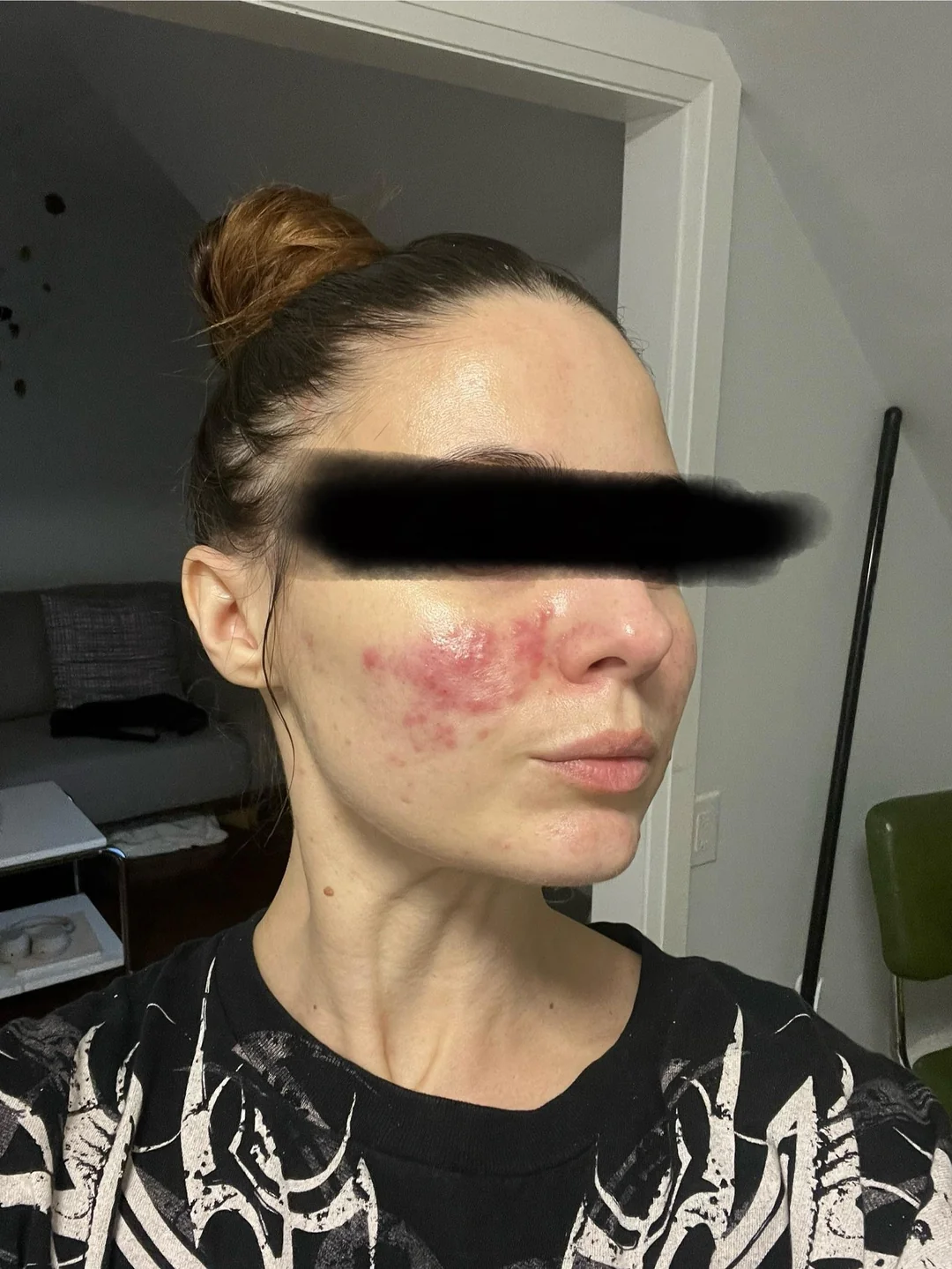
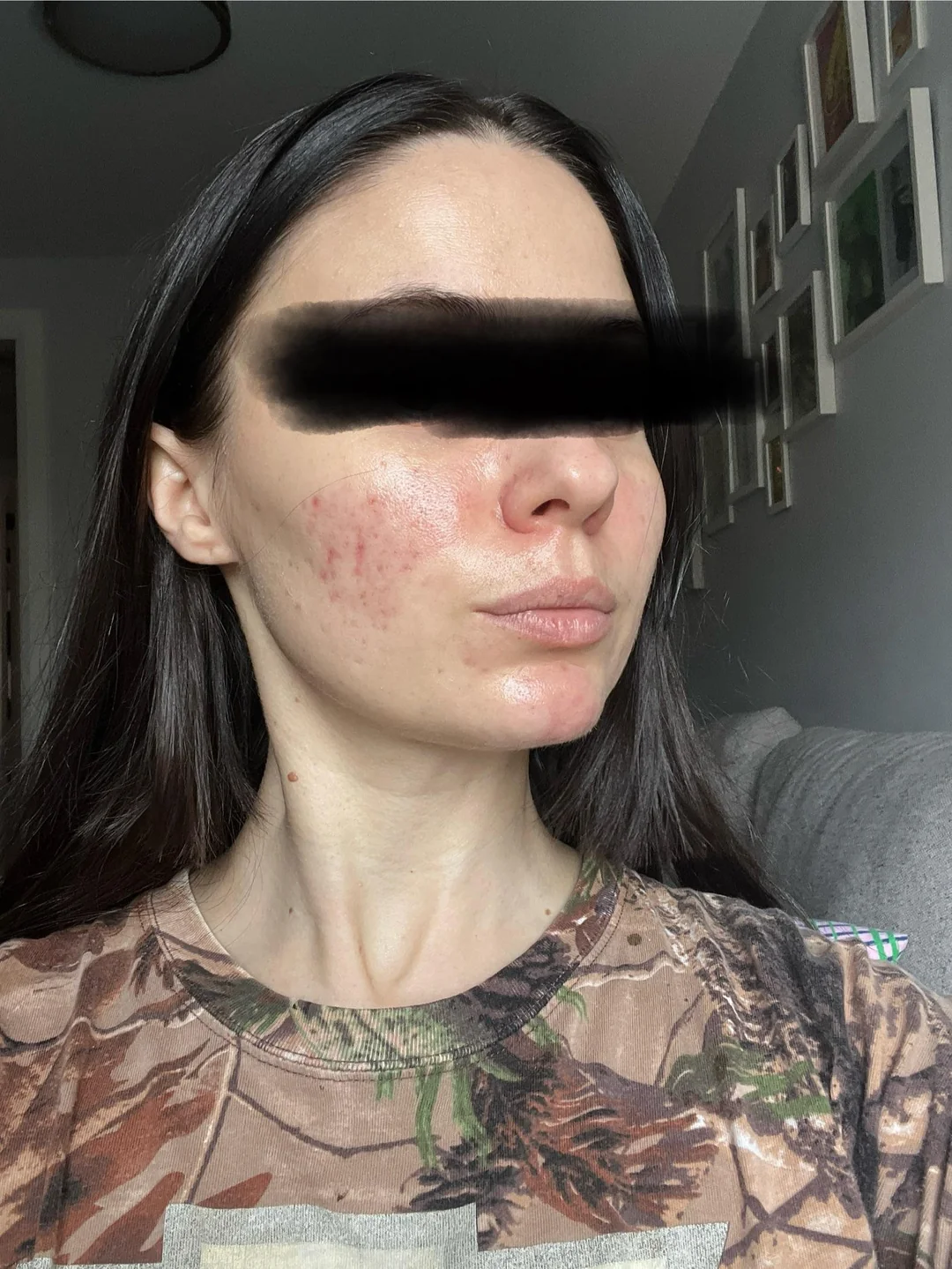
Severe cheek erythema reduced ~70%
Persistent redness and visible cheek vessels dramatically improved after 8 weeks of 4x/week sessions at 12 inches, 10 minutes per side.
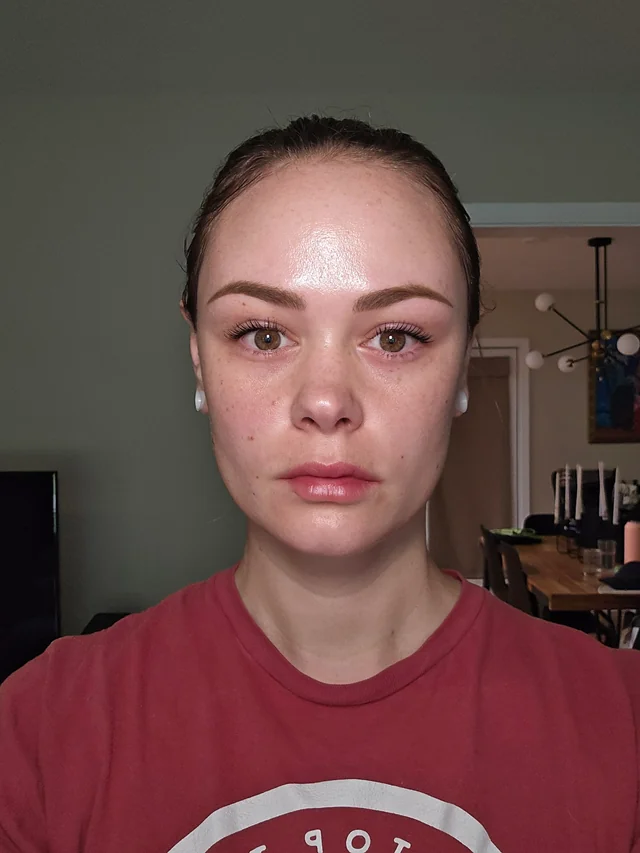
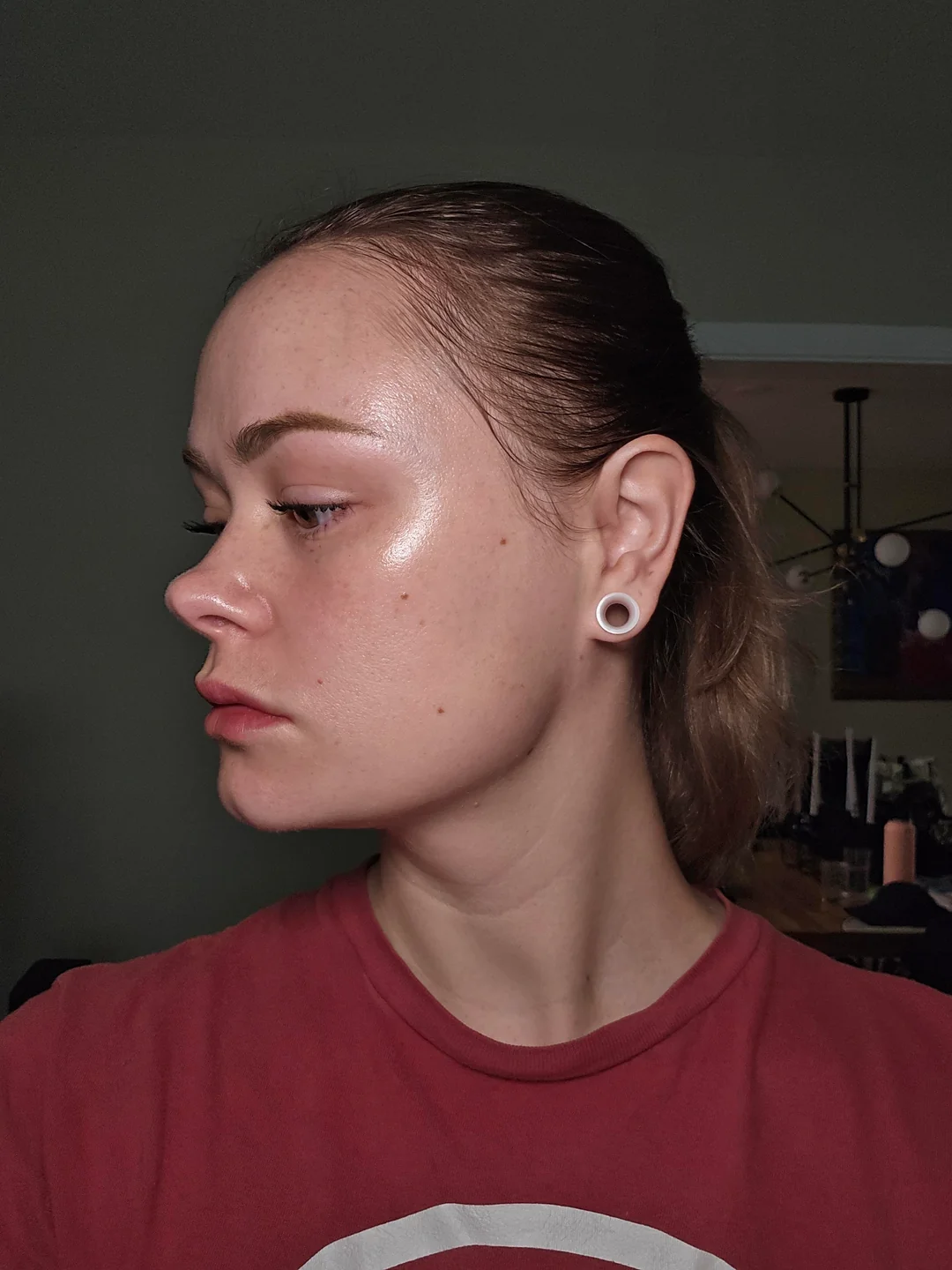
Flushing episodes reduced ~60%
User reported flushing episodes dropped from multiple daily events to 1–2 per week after following the ETR-specific protocol.
Top 5 Red Light Devices for Erythematotelangiectatic Rosacea
The same 5 panels we rank on our main guide — but here's why each is (or isn't) ideal specifically for ETR's vascular sensitivity.
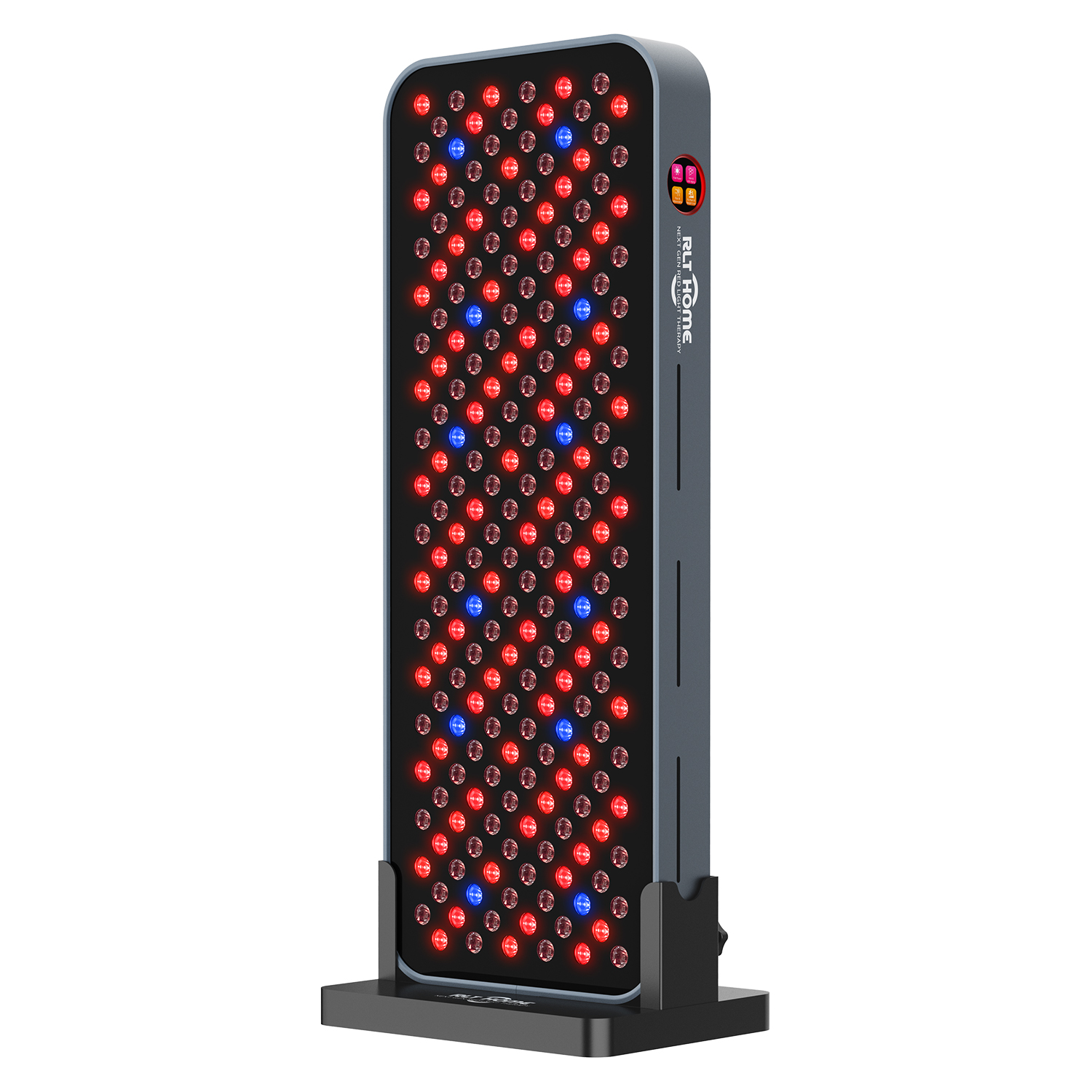
TotalSpectrum 3.0
Customizable wavelengths · zero EMF · skin-specific mode
Why it's #1 for ETR specifically
ETR's vascular sensitivity means you need wavelength customization. RLT Home is the only panel that lets you isolate just 630/830nm (the two most ETR-relevant wavelengths) while turning off 480nm blue that can irritate reactive skin. The "Skin & Anti-Aging" preset mode is essentially a pre-calibrated ETR protocol.
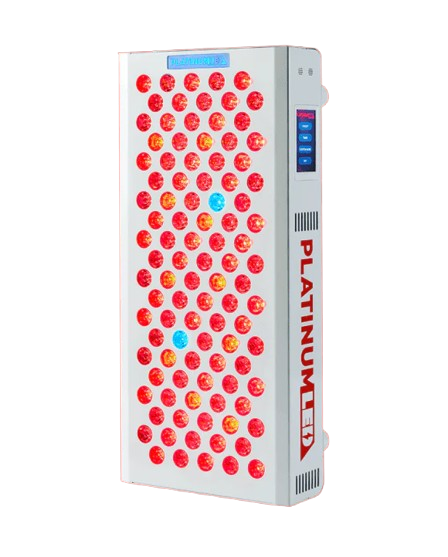
Platinum LED — BIOMAX 900
7 wavelengths including deep 1060nm SWIR
Why it ranks for ETR
The broadest wavelength range of any panel — including 480nm blue you'll want to avoid for ETR, but it can be toggled off. Strong 0.0 µT EMF reading is critical for daily face use with ETR's sensitive skin.
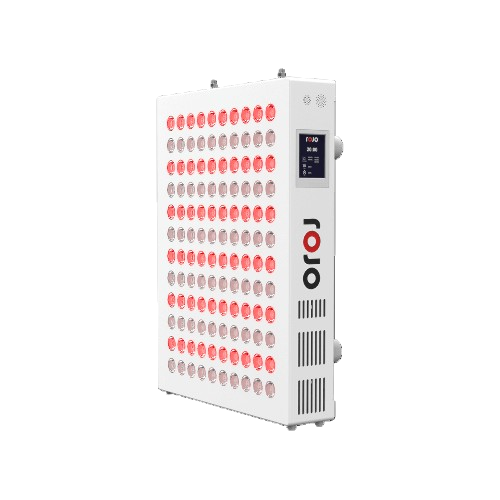
Rojo — Refine 3600
App-controlled wavelength ratios · 10 smart modes
Why it ranks for ETR
App-based wavelength control lets ETR users dial in precise ratios. The "Inflammation" smart mode is particularly useful for calming ETR flares.
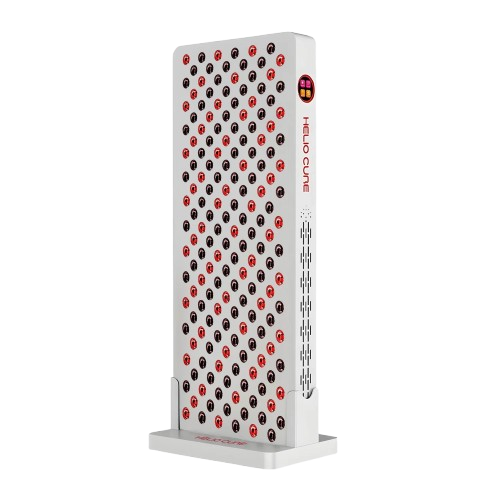

Helio Cure — Helio Blaze
Dedicated Face & Skin mode · zero EMF/flicker
Why it ranks for ETR
Lower irradiance (69 mW/cm²) is actually a pro for ETR — less risk of over-treating sensitive vascular skin. Dedicated Face & Skin preset is gentle enough for reactive ETR cases.
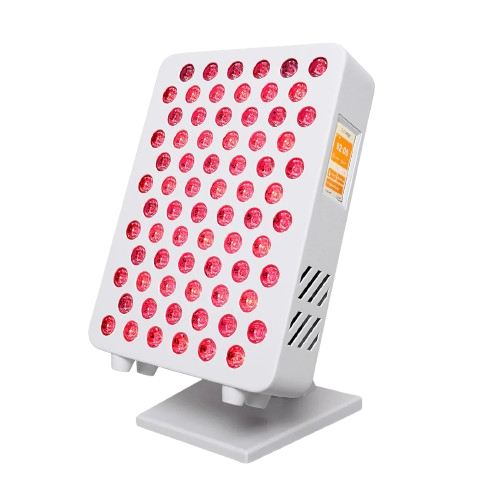

Rouge Care — Ultimate G4
8 wavelengths · individually dimmable · FDA cleared
Why it ranks for ETR
The 8-wavelength spectrum plus 0–100% dimming per channel means you can build an ultra-gentle ETR protocol, then gradually ramp up intensity as your skin desensitizes.
Common Questions About RLT for ETR
Will red light therapy make my visible vessels worse before they get better?
Is RLT as effective as IPL for ETR?
My ETR flares from heat — will the panel heating my skin make it worse?
Can I use RLT with topical vasoconstrictors like brimonidine (Mirvaso)?
Which wavelength is most important for ETR specifically?
How long until I stop being so sensitive to products?
Can I use RLT if my ETR has progressed to include papules (Subtype 2 features)?
Ready to Start Your ETR Transformation?
Read our complete evidence-based guide with the full research, more before/afters, and the full device comparison — or jump straight to picking your device.
See Top 5 Devices →