Red Light Therapy for Ocular Rosacea
The often-overlooked rosacea subtype that affects the eyes — causing dryness, irritation, and inflammation. RLT can help, but eye safety is paramount and protocols differ significantly from facial subtypes.
Quick Facts
Understanding Ocular Rosacea
Ocular rosacea affects the eyes, eyelids, and surrounding tissue rather than (or in addition to) the facial skin. It's startlingly common — affecting up to 50% of all rosacea patients — yet frequently goes undiagnosed because patients and even some physicians don't realize that "rosacea" can affect the eyes.
The condition occurs when the meibomian glands (oil-producing glands at the eyelid margins) become dysfunctional, leading to evaporative dry eye, eyelid inflammation (blepharitis), and chronic eye irritation. About 20% of ocular rosacea patients have eye symptoms BEFORE any facial rosacea appears, which is why it often goes unrecognized for years.
Common Symptoms
👁️ CRITICAL: See an Ophthalmologist FIRST
Ocular rosacea can lead to serious complications including corneal damage and vision changes if untreated. Before starting RLT or any home treatment:
- Get a proper diagnosis from an ophthalmologist or optometrist
- Rule out other causes of dry eye (Sjogren's syndrome, autoimmune conditions)
- Get prescribed any necessary medications (lubricant drops, cyclosporine, omega-3s)
- Have your meibomian gland function evaluated (LipiView or similar)
- Establish a baseline so you can measure improvement
RLT complements professional care — it's not a replacement for proper ophthalmology evaluation, especially given the risks of vision loss in untreated severe cases.
How Red Light Therapy Helps Ocular Rosacea
Ocular rosacea is increasingly being treated in clinics using specialized red light devices specifically designed for periocular use (called "intense pulsed light" or IPL by ophthalmologists). At-home RLT panels work via the same mechanism but at lower intensity for safer self-administration.
Liquefies Hardened Meibomian Gland Secretions
The primary cause of ocular rosacea symptoms is meibum (the oily secretion) becoming thick and waxy, blocking the glands. Red and near-infrared light applied to the periorbital area gently warms the meibomian glands, liquefying the hardened secretions and restoring normal oil flow to the tear film.
Reduces Periocular Inflammation
Photobiomodulation downregulates the inflammatory cytokines (IL-6, TNF-α) that drive chronic blepharitis. Within 4-6 weeks, eyelid redness and tenderness reduce significantly, and the frequency of styes/chalazia drops dramatically.
Targets Demodex Mites in Eyelash Follicles
Demodex mites are present at significantly elevated levels in ocular rosacea patients, contributing to chronic eyelid inflammation. Red light has been shown to reduce demodex populations in eyelash follicles, addressing one of the root causes that traditional eye drops cannot reach.
Improves Tear Film Stability
By restoring meibomian gland function, RLT improves the lipid layer of the tear film — the component that prevents tear evaporation. Within 6-8 weeks, most users report reduced reliance on artificial tears and improved comfort during prolonged screen use.
Exact Dosing Protocol for Ocular Rosacea
The most important rule: NEVER aim red light directly at the eyes. All ocular rosacea protocols target the periorbital area (around the eyes) with eyes closed and protected.
Further Than Other Subtypes
Stay AT LEAST 15 inches from the panel. Closer distances increase ocular exposure even with closed eyes. Never closer than 12".
Shorter Sessions
Start at 3 minutes. Build to 8 minutes maximum. Longer ocular exposure isn't beneficial and increases risk.
Less Frequent
3 sessions per week is sufficient for ocular rosacea. Daily use is unnecessary and increases cumulative eye exposure.
NO Blue Light
Use ONLY 660nm red + 850nm NIR. Disable 480nm blue completely — blue light has documented retinal toxicity with chronic exposure.
Goggles + Closed Eyes
Wear the protective goggles included with your device AND keep your eyes closed throughout the entire session. Both layers required.
Aim at Cheeks/Forehead
Position so the light hits your cheeks and forehead — NOT directly at your closed eyes. The warmth diffuses to the meibomian glands.
⛔ Stop Immediately If You Experience
- Eye pain or burning DURING the session (normal warmth is OK)
- Visual changes after sessions — blurred vision, halos, spots
- Sudden increase in light sensitivity
- Headaches that persist beyond 1 hour after sessions
- Any visual disturbance lasting more than a few minutes
Consult your ophthalmologist immediately if any of these occur. Don't restart RLT until you've been cleared.
Ocular Rosacea Treatment Timeline
Ocular rosacea actually responds to RLT faster than facial subtypes because meibomian gland improvements happen quickly once warmed and unblocked.
Initial relief
Morning eye dryness improves first. Most users notice reduced burning sensation within the first 5-7 sessions.
Eyelid inflammation reducing
Red, irritated eyelid margins start looking calmer. Crusting on lashes (if present) decreases noticeably.
Meibomian gland function restored
Tear film quality improves. Less reliance on artificial tears. Screen time becomes more comfortable.
Major improvement
Most users report 60-80% reduction in symptoms. Recurrent styes/chalazia stop forming. Light sensitivity decreases.
Maintenance
Drop to 2 sessions per week. Continue indefinitely — ocular rosacea requires ongoing management to prevent relapse.
Top 5 Red Light Devices for Ocular Rosacea
Device selection for ocular rosacea prioritizes safety: lower intensity, no blue light, smaller targeted units, and zero flicker.
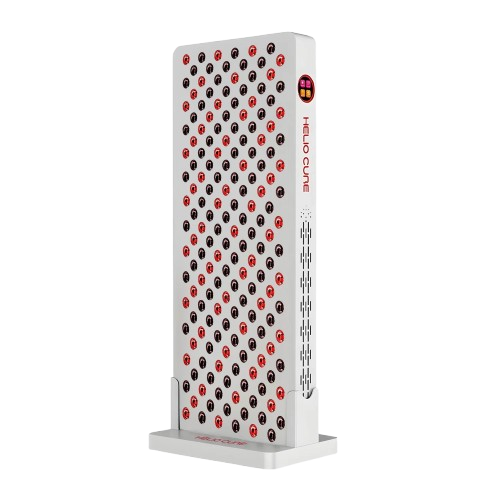

Helio Cure — Helio Blaze
Lower irradiance · gentle for periocular use · zero EMF
Why it's #1 for Ocular Rosacea
Helio Cure's lower irradiance (69 mW/cm² at 12") is actually the safest choice for ocular rosacea. The eye area requires gentle, controlled doses — and Helio Cure's smaller models (like the Helio Glow) are perfect for targeted periocular treatment without overdosing the delicate eye area.
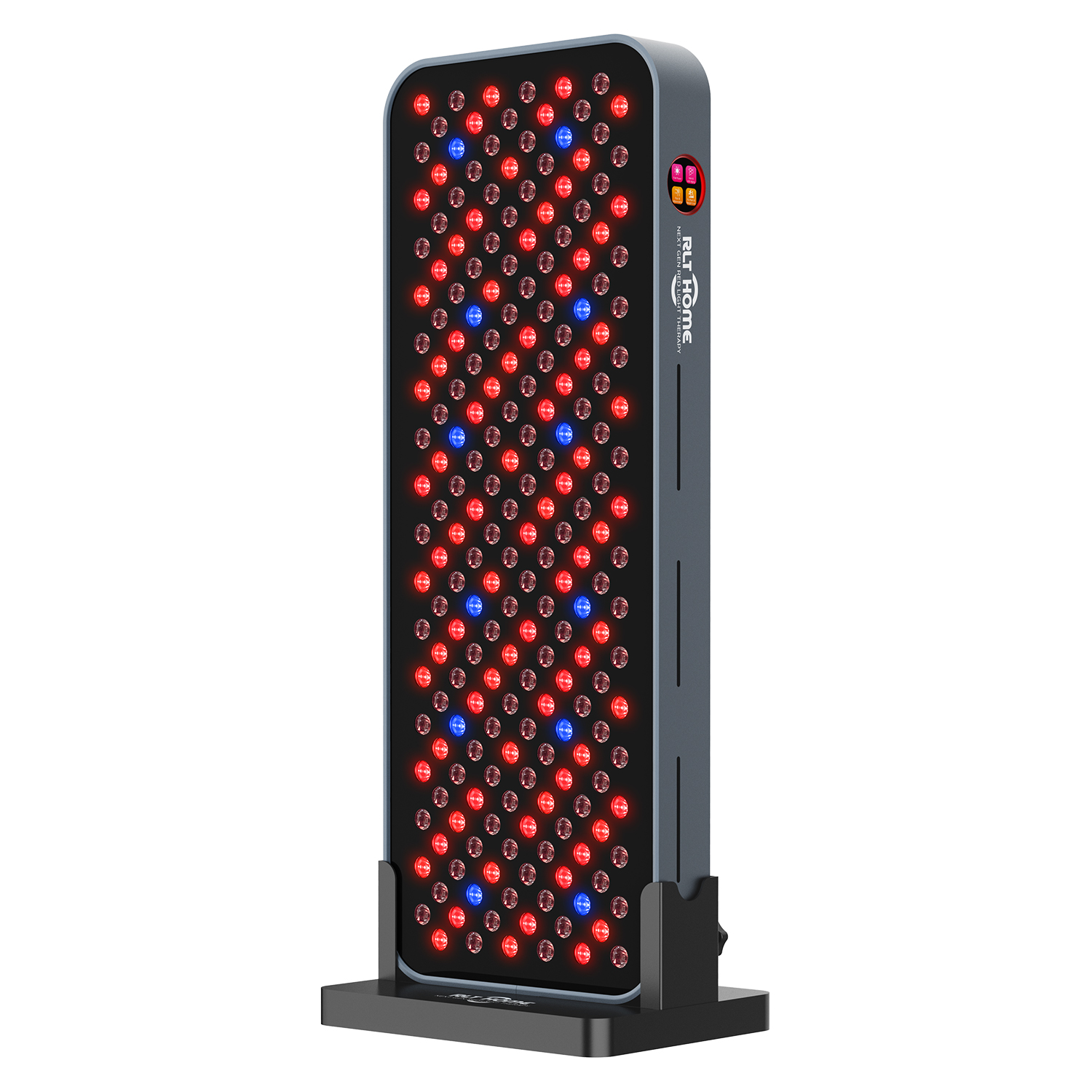
TotalSpectrum 3.0
Wavelength control · zero EMF · zero flicker
Why it ranks #2 for Ocular
RLT Home's ability to disable specific wavelengths matters for ocular rosacea — you can turn off all blue (480nm) which is particularly important since blue light has known retinal toxicity at sustained exposures. Zero flicker is critical for anyone using RLT near the eyes.
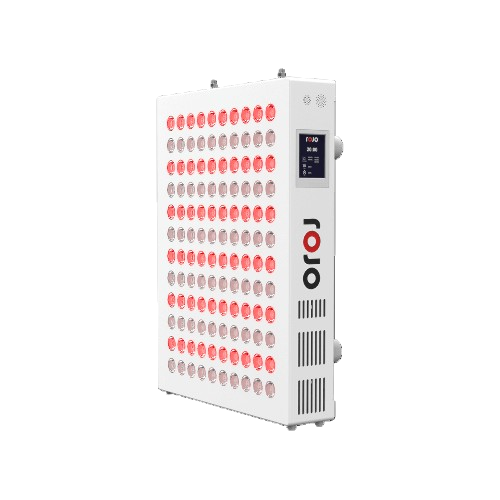
Rojo — Refine 3600
No 480nm · zero flicker · gentle red + NIR
Why it ranks for Ocular
Rojo's lack of 480nm blue is actually an advantage for ocular rosacea. The 5-wavelength red + NIR spectrum is exactly what's safe to use near the eye area, and the zero flicker reduces visual stress.
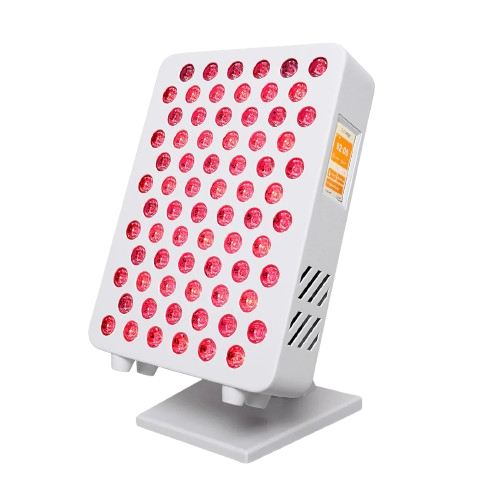

Rouge Care — Ultimate G4
Individually dimmable · 8 wavelengths · clinic-grade
Why it ranks for Ocular
The individually dimmable wavelengths let you build a precise eye-safe protocol — full red/NIR power while keeping any blue channels at zero. FDA-cleared for inflammatory conditions.
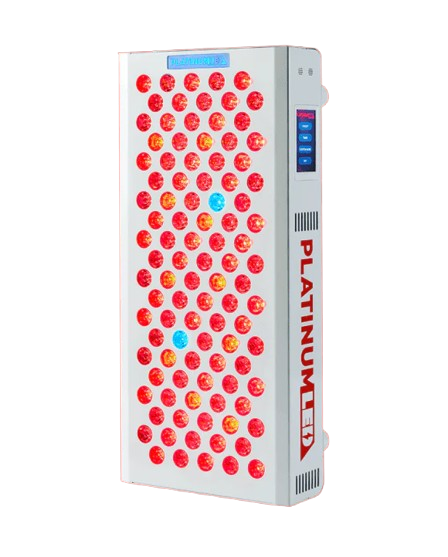
Platinum LED — BIOMAX 900
Higher intensity · use with extra caution near eyes
Why it ranks for Ocular
BIOMAX 900's higher intensity is overkill for ocular rosacea — and the included 480nm blue is a downside since it cannot be reduced gradually. Workable, but not optimized for periocular use.
Common Questions About RLT for Ocular Rosacea
Is it really safe to use red light therapy near my eyes?
What's the difference between RLT and clinical IPL for dry eye?
Can I use RLT with prescription eye drops (Restasis, Xiidra, etc.)?
I wear contact lenses — will RLT help?
Do I need a special device for ocular rosacea?
Will RLT help if I have ocular rosacea but no facial rosacea?
How do I know if it's working?
Ready to Address Your Ocular Rosacea?
Read our complete evidence-based rosacea guide and find the right gentle device for periocular use.
See Top 5 Devices →